




Types of Embroidery Digitizing for Machine Embroidery

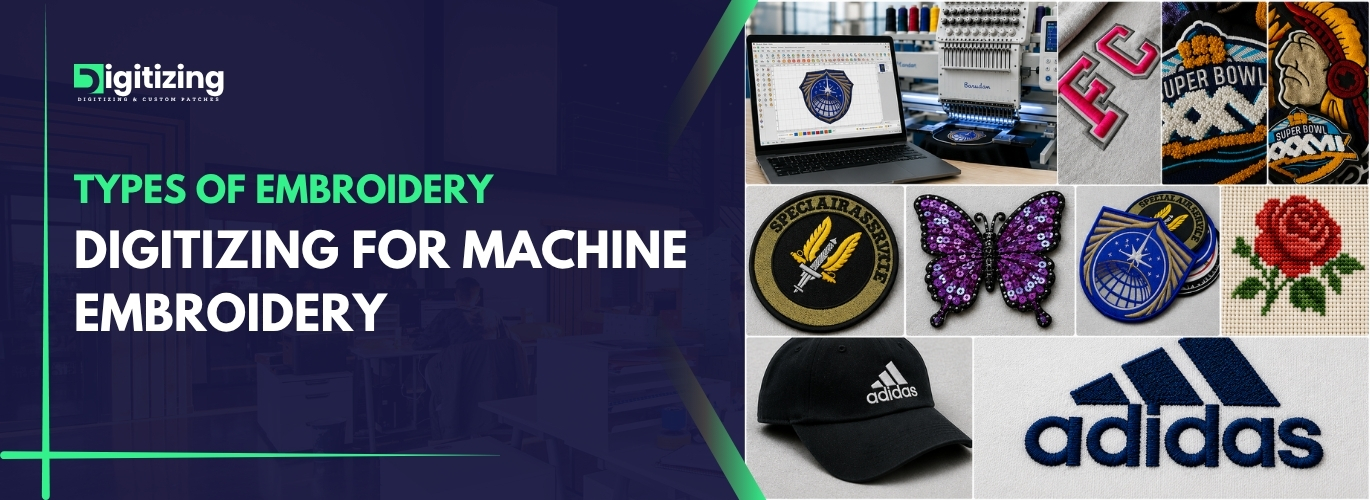
Embroidery digitizing is an intricate work of art that involves the conversion of designs or images into digital formats that an embroidery machine can read and stitch. in this process, specific design details are transformed into particular stitch types for an embroidery machine to follow. It is a crucial step to fabricate high grade embroidery designs with great visual aesthetics. Though, embroidery digitizing is definitely not a walk in the park and you cannot just upload any picture file casually to the machine and expect it to work magic. The process is a lot more complex and requires understanding of several aspects involved in the entire operation. There are numerous types of embroidery digitizing available in the market, each having its unique characteristics and benefits. In this blog post, we are going to explore the various embroidery digitizing types that will help you pick up the right one for your projects.
Types of Embroidery Digitizing
There are various types of embroidery digitizing used to create premium grade machine embroidery designs. The different types of embroidery have revolutionized the world of innovation and creativity. Hence, it is good to understand each type before picking up the most appropriate method for your design needs and projects. Following is some of the most commonly employed embroidery digitizing types:
Flat Embroidery Digitizing
It is the most commonly used and simple embroidery digitizing type. The process involves transforming an image into a digital format that can be embroidered onto flat materials like hats, bags, jackets and t-shirts. This embroidery type produces detailed and smooth designs through fewer stitches, thus creating lightweight yet flexible products for everyday use. Additionally, it is a budget-friendly technique in contrast to the complex embroidery work. Flat embroidery brings good consistency and high precision in designs and is applied in various industries like sports, fashion and promotional items.
Applique Embroidery Digitizing
Applique embroidery digitizing involves adjoining fabric pieces through stitching; creating unique, colorful and textured patterns with a three-dimensional effect. The applique elements are created as separate components in the digital file. Then the fabrics are assigned specific stitch patterns to outline the edges and secure them to the base fabric for a cohesive yet visually appealing outcome. This technique is suitable for complex designs and work best for banners, jackets and sports jerseys. Bringing high versatility, this type of embroidery is used for apparel, accessories and home decor products.
3D Puff Embroidery Digitizing
3D Puff Digitizing also recognized as foam embroidery, is a specialized technique that renders a three-dimensional visibility to your artwork. It raises the designs off the fabric using a layer of foam under the stitches. The impact of 3D puff embroidery differs from the conventional flat embroidery. It makes a popular choice for logo enhancement on headwear and outerwear for fashion and sports; including caps, heats and jackets. The extra dimension comes from the added underlay enhancing the intensity and depth of a design for a crisp and refined look. Differing from traditional embroidery by its three-dimensional, puffed effects; this method ensures a visually striking and tactilely amazing designs.
Photo/ Image Digitizing
Photo embroidery digitizing offers a unique method for reproducing complex images or photograph using embroidery stitches. This form of digitizing helps you produce realistic designs for commemorative items, personalized gifts and portraiture. It involves modifying stitch densities, stitch types and colour blends for a realistic representation of an artwork. The multiple colourful layers of stitching give the design colour tone modulation and volume. It also shows some amazing features that include a huge number of stitches and big design sizes. With the advent of modern technology, photo embroidery digitizing has become more efficient and easily accessible for businesses.
Chenille Embroidery
Chenille embroidery digitizing delivers a distinctive texture and appearance of chenille fabric using thick looped embroidery stitches. It offers a soft, plush and velvety feel of the fabric using thick looped stitches. The technique is used in creating raised, textured designs and patches on varsity jackets and other decorative textiles, giving a bold and tactile finish. This type of digitizing is perfect for large shapes or letters, but does not suit for fine detailing. The chenille fabric adds a cozy feel to designs and make them distinctive and visually appealing with a characteristic texture, softness and depth.
Conclusion
Embroidery digitizing is a valuable technique for creating high-quality and intricate designs. To get the most out of an embroidery digitizing process, it is significant to understand its types and applications. From flat embroidery to the more complex styles like applique or 3D puff, each type has its own characteristic, purpose and style. Learning about the digitizing possibilities, processes and options, you can transform your artwork into stunning embroidery work. Whether you are a small-scale business owner, a professional embroiderer or a hobbyist; working up your designs with the best embroidery digitizers saves you time, money and effort. By using the suitable software and tools, you can convert your creative imaginations into amazing artwork.
Q1: What are the common types of embroidery digitizing?
A: Embroidery digitizing is available in numerous types including flat embroidery, 3D puff, applique, photo imaging and chenille embroidery. Each type owns its unique properties for different fabric types and styles. Flat embroidery works great for generalized logos, applique saves stitch count with lesser stitches, 3D puff adds raised effects and chenille gives a soft and fuzzy look.
Q2: Which type of embroidery digitizing is best for logos on uniforms or shirts?
A: Flat embroidery is the most commonly employed technique for logo digitizing. The other forms used are 3D puff, applique and chenille.
Q3: What is 3D puff embroidery used for?
A: 3D puff embroidery is mostly used on headwear, outerwear and thick fabrics. It creates a raised, 3D impact for bold letters and simple shapes. This technique uses foam under the stitches to make the design pop out.
Q4: Can I mix different digitizing styles in one design?
A: Yes! flat and applique or flat and 3D puff embroidery types can be combined together in one design, depending on your needs. This fusion can create a unique look when applied with careful planning. A professional digitizer can help you decide how to properly blend different styles to achieve the best result.