




What is Embroidery Digitizing?

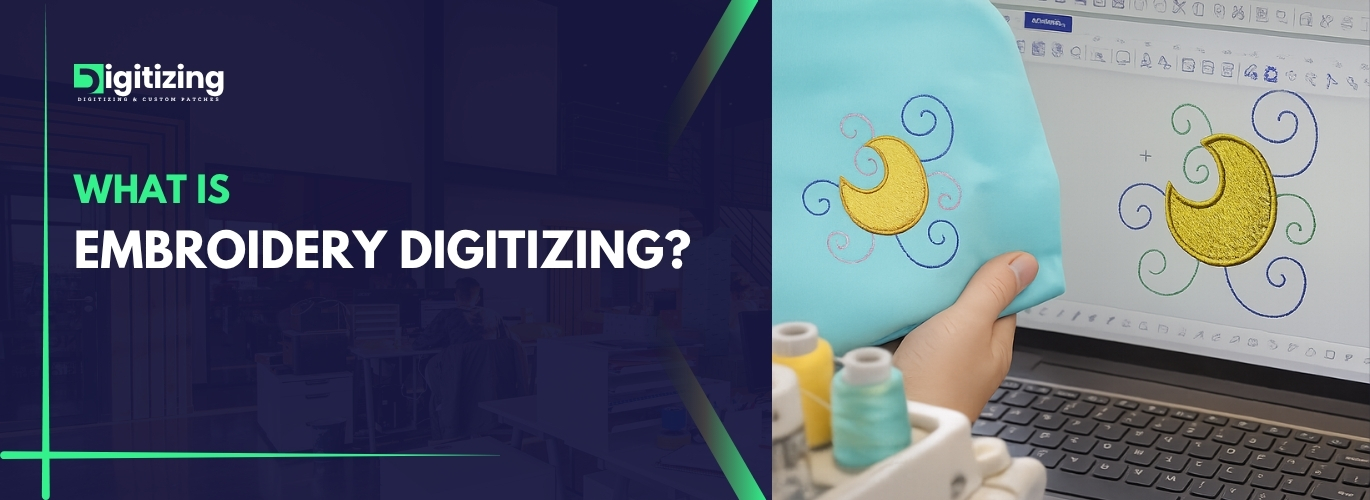
Embroidery has been around for centuries, and with the advent of technology, it has become more sophisticated. One of the most critical developments in embroidery is digitizing, the process of converting images or designs into stitch files for embroidery machines. digitizing embroidery designs or digitize embroidery designs provides customization, precision, and efficiency in embroidery designs. This post will explore the different types of digitizing, the process, benefits, tips and tricks, and future trends in embroidery digitizing.
What are Digitizing Techniques?
Embroidery digitizing techniques are methods used to convert an image or design into a stitch file for embroidery machines to reproduce on fabric. Three leading embroidery digitizing techniques are manual, punch, and computerized. All these processes have benefits and drawbacks, but computerized digitizing techniques are more efficient and accurate than manual and punch methods and followed by many top 10 embroidery digitizing companies. or even when same day embroidery digitizing is done for any project
1: Manual Digitizing Technique
Manual digitizing involves drawing or creating the design image using a vector-based program in embroidery design digitizing. Then, the digitizer recreates the design by following the lines or creating a grid on paper. Although manual digitizing can be time-consuming, it can produce high-quality results with precision.
2: Punch Digitizing Technique
Punch digitizing, also known as embroidery punching is a technique in which the digitizer employs a punch machine to insert stitch points manually, into the design. As the process is manual, it is less precise and time-consuming than computerized digitizing. Due to certain limitations and slow procedure, it is no longer a preferred method for digitizing.
3: Computerized Digitizing Technique
Automatic digitizing or logo digitizing software involves creating the design with embroidery digitizing software. The digitizer imports the image into the software, uses a tool to trace the design’s outlines, and assigns stitch types and properties. Then the software generates a stitch file for embroidery machine. As it is a fully automated process, it shows high efficiency and accuracy while producing the designs speedily. Computerized digitizing techniques have made embroidery digitized designs easily accessible and more straightforward.
What is the Digitizing Process?
Embroidery digitizing is a special transformation of an image or artwork into a digital format that is mechanically legible. It then creates and reproduces embroidered designs with accuracy just like translating an image to a visual design. There are some parameters that a machine executes while turning an imagination into reality. These include specifying stitch types, stitch file, thread colors, and density. The process of embroidery digitizing includes various steps like:
Design Analysis
The process involves the inspection of the original design or artwork to evaluate its viability for digitization. The factors affecting digitization are checked during this step. These are thread colors, stitch density and overall complexity of design.
Artwork Preparation
Prior to digitization, the design or artwork is prepared. It involves removing unwanted elements, cleaning up the picture and augmenting details to bring a crisp and clean final result.
Digitizing Software
For digitizing, specialized software are used to convert an artwork into a digital format. The digitizer manually assigns stitch types and thread colors or employs auto-digitizing tools to create the initial stitch pattern.
Stitch Pathing
To attain accurate and efficient embroidery results, a digitizer determines the order and correct sequence of stitches. The process involves the determination of stitch direction, underlays settings and trims allocation, for end embroidery results optimization.
Test Run and Refinement
A test run is a significant part of entire digitizing process. After accomplishment of the above parameters, a test run is carried out on the embroidery machine to scrutinize the quality, accuracy and precision of the digitized design. If there need any alteration, it can be done easily.
What are the Benefits of Digitizing?
Digitizing brings numerous benefits for individuals as well as for businesses. Here are some key benefits of digitizing:
Time and Cost Saving
Individuals and businesses can save significant amount of money and time by automating embroidery digitization. The traditional embroidery methods are usually time taking and need a skilled person to create design. On the contrary, through digitizing; the job can be easily and quickly done on a computer and transferred to the embroidery machine for stitching process. It can significantly increase productivity and reduce labor costs.
Greater Customization and Precision
The process of digitization brings the possibilities for greater customization and high precision of embroidery designs. It allows digitizers to generate unique designs that are not possible with the traditional methods of manual embroidery. Moreover, digitization can easily control the type of stitch and its density, thus yielding a high-quality embroidered product.
Consistency in Design
Designs created through embroidery digitizing process ensure high consistency in the final product. Once a design is digitized can be easily reproduced with the same stitch placement, exact density and color again. This factor is very important for the businesses who want to maintain their brand identity with the consistent brand image.
Opportunity for Complex Designs
Embroidery digitizing facilitates to handle the most complicated designs with intricate details and multiple hues. Such designs are difficult to process through manual embroidery methods, and can be easily created with advanced digital techniques.
Ease of Editing
Embroidery digitizing allows easy edit and modification of designs on a computer. For instance, if a designer wants to alter or resize a design, it can be done easily without recreating it from the scratch. Hence, the process will save precious resources and time for both businesses and individuals.
Conclusion
Embroidery digitizing is a precise and efficient process that can significantly bring premium advantages to the embroidery industry. With high-quality tools and advanced technology, it can significantly save time and cost while allowing greater customization, accuracy and precision in the final embroidery outcomes. However, it is prerequisite to avoid common mistakes and adjust plans to carryout flawless operations to get the best embroidery results. In this regard, more efficient and precise digitizing techniques would be applicable to attain the desired end-products.